Saturday, August 1st, 2026
Mansfield, Ohio
OHIO STATE REFORMATORY
Stolen Light
Saturday, August 1st, 2026
Mansfield, OH
Rude, Rodney Hopkins, Maxene Schreck, Andrejs Kruza, Rob and Vaughn Grivetti
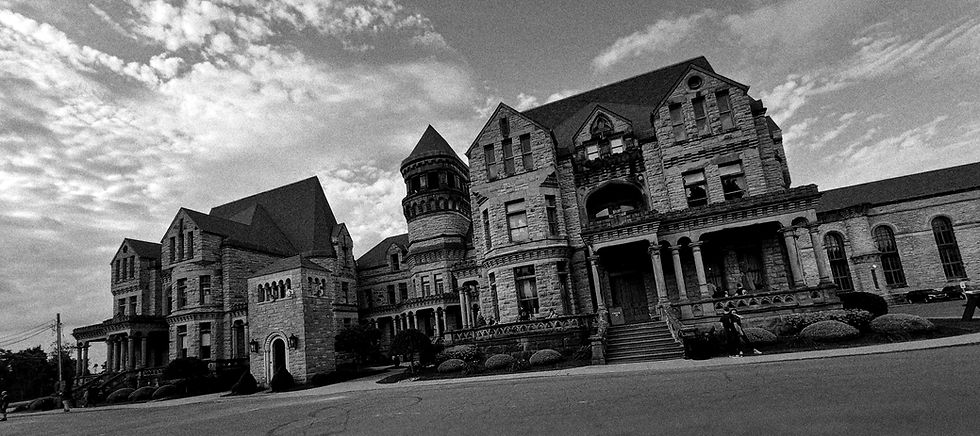

The Ohio State Reformatory rises over Mansfield like a Gothic monument to punishment. Whatever progressive optimism inspired its grand Romanesque façade when it opened in 1896 seems to have died somewhere inside. Over the decades, overcrowding, violence, neglect, and decay hollowed the institution into something considerably darker. By the time it finally closed in 1990, parts of the prison had been declared brutally inadequate for human habitation.
Looking upward from Death Row into the staggering tower of cell blocks is incredibly disorienting. Tier after tier disappears into the darkness, a dizzying maze of iron walkways and staircases suspended overhead. There is nowhere comfortable for the eye to land.
Look up and the rows seem to lean inward. Look down and the corridor recedes toward an unreachable vanishing point. Cell after cell, cage after cage, human beings numbered, locked away, and swallowed by an immense latticework of iron and stone. Despite its enormity, OSR feels claustrophobic in a way that defies its intimidating size. It’s difficult to imagine any kind of existence within the cramped cells, little to no light, hate, violence and piss permeating the atmosphere.


The chapel at the Ohio State Reformatory is a location fraught with contradiction: a sacred room built within an institution remembered for suffering and violence. Men once gathered here beneath the promise of salvation while the brutal apparatus of punishment waited just beyond its doors. Over time, the chapel has accumulated its own paranormal lore, with visitors reporting unexplained footsteps, shadow figures, and the persistent sensation of a menacing unseen presence stalking its pews. Few places within OSR embody the uneasy tension between the sacred and the profane so completely.


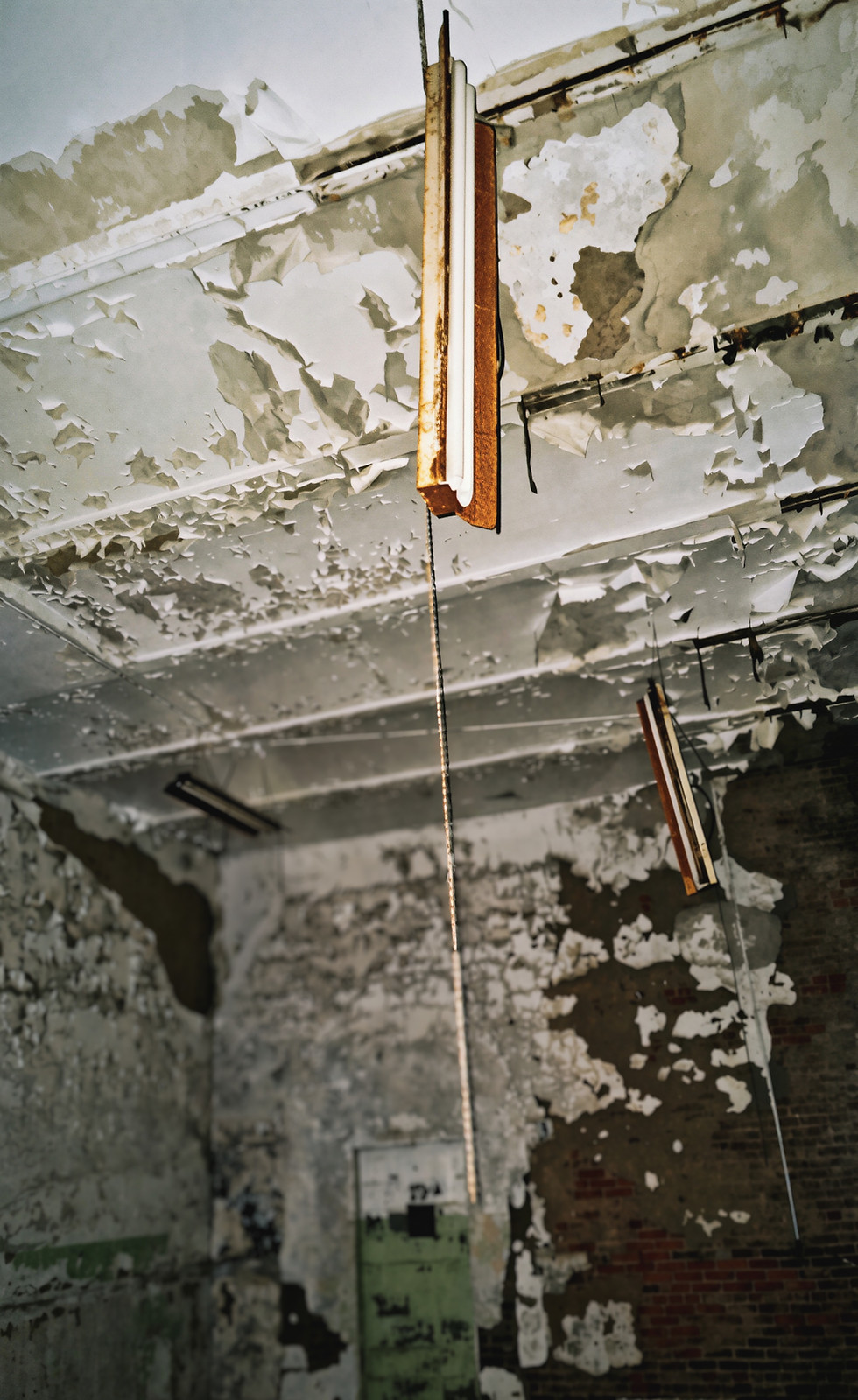

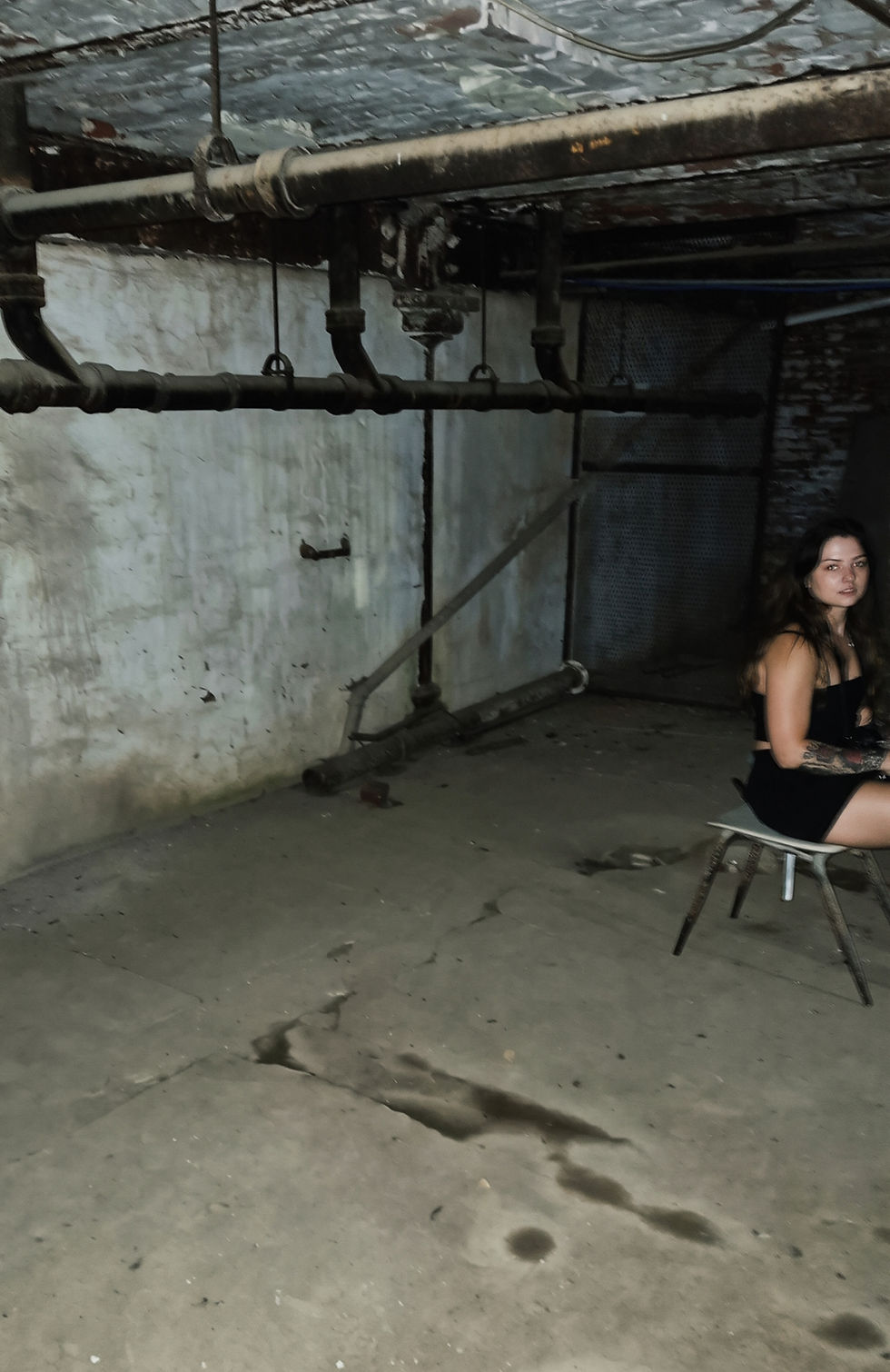


Solitary confinement somehow manages to make the rest of OSR feel almost merciful. But one level below awaits its predecessor: the original solitary block known simply as the Hole.
Descending into it feels like entering the prison beneath the prison. The air is stagnant, and the smell of urine is overwhelming, soaked so deeply into the place that decades of abandonment have failed to exorcise it. The cells are cramped, lightless, and bleak. Stories surrounding the Hole have only blackened its reputation: former inmates allegedly spoke of brutal conditions, violence, and men slowly unraveling in the isolation. Natural or artificial, light was a luxury largely unknown to the souls confined here; darkness could stretch on for days at a time, dissolving any meaningful distinction between day and night.
Perhaps most cruelly, time spent in solitary reportedly did not count toward an inmate's sentence, as though the hours endured underground existed outside ordinary time altogether.
Standing beneath the building among those tiny cells, breathing air that still carries the unmistakable residue of human confinement, the Hole requires very little help from ghosts to feel haunted.


Of all the stories buried within OSR, few are as sad as that of James Lockhart. On February 6, 1960, Lockhart reportedly obtained flammable material, soaked himself with it inside Cell 13, and struck a match, committing suicide by fire. Today, the empty cell has become part of the building's darker lore, with visitors reporting apparitions and the lingering smell of smoke.
There is, however, a lesser-known detail that makes the story considerably stranger. During this same era, Samuel Little was also incarcerated at the Ohio State Reformatory. Little would eventually confess to 93 murders, and the FBI came to regard him as the most prolific serial killer in United States history. According to local accounts, Little was housed in the East Cell Block on the tier directly beneath Lockhart’s Cell 13.
As you travel these narrow corridors, shining your light into cramped and empty cells, your mind inevitably drifts toward the stories of the real people who once occupied them. The things we know happened here are already stranger than fiction. Some of the men who passed through these corridors were capable of unimaginable and depraved acts of violence; crossing paths with them in the material world might have meant meeting a grisly end. And so an uncomfortable thought begins to creep in: if something of us truly lingers after death, what happens when the dead were dangerous in life? What exactly might you encounter when you shine your light into the darkness and something decides to look back?


The voices captured during our EVP session on Death Row were not remorseful. If anything, they were hostile and, at times, disturbingly lurid.
There is a comforting notion that death purifies us; that whatever consciousness survives must ascend to something wiser, gentler, absolved of the darker impulses it carried in life. Death Row offered no such reassurance. If these anomalous voices belonged to those who once inhabited these cells, there was little indication that death had softened them.


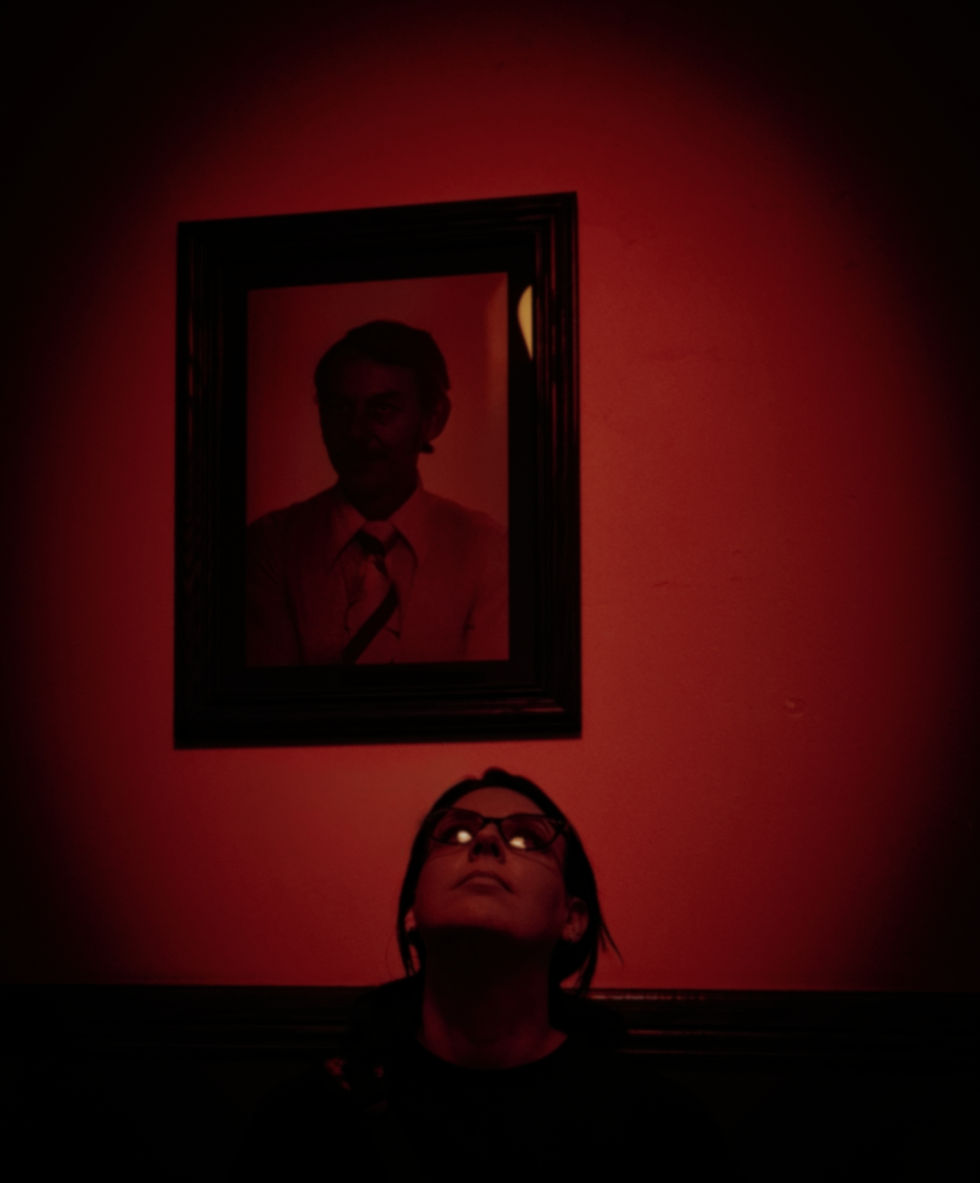


On August 1st, 2026, a low-pressure system settled over the Ohio Valley, dragging a violent line of thunderstorms across the state. Strong winds twisted portions of the storm into supercells, spawning tornadoes, while relentless downpours flooded pockets of the countryside beneath them.
Rain hammered against the roof and bled down the windows while thunder prowled somewhere beyond the walls. By the time we disappeared into the structure, the storm had become inseparable from the experience. Deeper inside, the rain dwindled to a distant hiss.
At the beginning of the night, our tour guide remarked upon our extraordinary luck. The heavens had bestowed upon us the perfect night for chasing spectres. With rain falling silently beyond the tall windows and the great Gothic edifice swallowing us whole, the ordinary world seemed to recede somewhere beyond its walls. For a few strange hours, the Ohio State Reformatory was the only world that we knew.


